Things to Do in Cotonou
Where voodoo meets Atlantic waves and grilled fish costs less than water
Top Things to Do in Cotonou
Find activities and tours you'll actually want to do. Book through our partners -- no booking fees.


Plan Your Trip
Essential guides for timing and budgeting
Climate Guide
Best times to visit based on weather and events
View guide →Day Trips
The best excursions and nearby destinations worth the journey
Explore day trips →Where to Stay
Best neighbourhoods, hotel picks, and booking tips
Find hotels →Travel Insurance
What's required, what coverage matters, and how to get a quote
Read guide →What to Pack
Climate-specific gear, essentials, and what to leave at home
See packing list →When Should You Visit Cotonou?
Tap a month for weather, crowds, and highlights
View full year-round climate guide →Explore Cotonou
Ancien Pont Bridge
City
Artisanal Center
City
Cotonou Cathedral
City
Cotonou Central Mosque
City
Cotonou Marina
City
Dantokpa Market
City
Fidjrosse Beach
City
Fondation Zinsou
City
Ganvié Stilt Village
City
Lake Nokoué
City
Place des Martyrs
City
Port of Cotonou
City
Stade de L'Amitié
City
Villa Karo
City
Your Guide to Cotonou
About Cotonou
Cotonou greets you with red palm oil and salt before you clear Cardinal Bernardin Gantin International Airport. The air weighs 35°C (95°F) as motorcycle taxis dart between women balancing mango towers on Boulevard Saint-Michel. This city never performs for tourists. Ganhi fish market erupts at 4 AM with fifty years of raw energy.
You will buy a whole capitaine grilled over charcoal for 2,000 CFA ($3.30) while touts shout above Atlantic crashes. Fidjrosse backs onto Obama Beach. Local families picnic under palm-thatched umbrellas for 500 CFA ($0.83). Kids hack coconuts open with machetes. Downtown Haie Vive sees expats drop 4,000 CFA ($6.60) on rooftop cocktails.
They overlook zinc roofs painted in fading pastels. The city lives between extremes. Ancient vodoun ceremonies still develop in Ouidah, forty minutes west. Dantokpa Market sells everything from ceremonial drums to Chinese flip-flops. Cotonou is messy, loud, and power cuts test patience. Yet you will drink palm wine straight from the tree for 500 CFA ($0.83).
Fishing boats painted cobalt and vermillion glide home with the day's catch. That moment feels like the real West Africa you sought.
Travel Tips
Transportation: Zemidjans own Cotonou's streets. Negotiate 500-1,000 CFA ($0.83-$1.66) before you climb aboard. Hold tight because traffic rules are mere suggestions. The 4G LTE network surprises with solid coverage. Download Yango, Africa's answer to Uber, for rides 25% cheaper than street haggling. Airport taxis are daylight robbery. They quote 10,000 CFA ($16.50) for a 2,000 CFA ($3.30) ride downtown. Never accept. Zemidjan drivers know every shortcut through unpaved side streets. They slash 30-minute car rides to 10 minutes flat.
Money: CFA francs rule every transaction. Ecobank and Bank of Africa ATMs spit up to 200,000 CFA ($330) per withdrawal with minimal fees. Cards fly at Haie Vive's upscale restaurants. Cash dominates everywhere else. Black market money changers linger around Dantokpa Market. They give better euro rates than banks. Count your money twice. Expect 500 CFA ($0.83) notes that fatten your wallet. Bring USD or euros. Nobody wants your other African currencies.
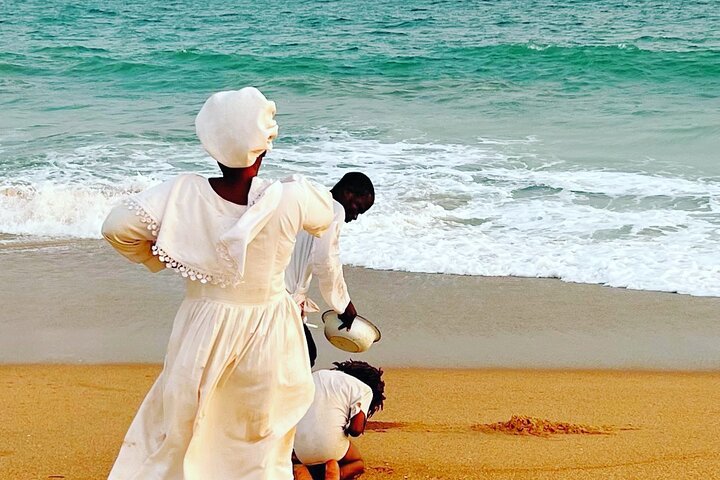
Cultural Respect: Vodoun isn't folklore. It's Tuesday. At Fetish Market (Akodésséwa), touch nothing unless you're buying. Photography costs 2,000 CFA ($3.30) as courtesy. Greetings matter. Say 'Bonjour, ca va?' before any interaction. Even when buying water. Sunday mornings mean church clothes everywhere. Dress modestly or draw stares. When invited for attiéké at someone's home, eat with your right hand only. The left is for bathroom business. Everyone notices.
Food Safety: If it's hot and busy, eat it. Capitaine stands at Fidjrosse Beach cook ocean to plate. Follow the smoke and long lines. Avoid mayo that's been sitting out. Potato salad at beach bars is Russian roulette. Street attiéké with grilled chicken costs 1,500 CFA ($2.50). Locals live on it. Drink bagged water (sachets d'eau) for 50 CFA ($0.08) each. Sealed bags beat refilled bottles. Carry Imodium. Even cautious eaters fall to chili sauces locals treat like ketchup.
When to Visit
Cotonou has two seasons: wet and wetter. Timing decides everything. November through March brings harmattan winds. Hot Sahara air drops humidity and temperatures to 28-32°C (82-90°F). High season hits. Hotel prices jump 40%. Christmas sees expats book every beachfront room. April unleashes real heat. Daily 35°C (95°F) with humidity that makes breathing feel like drinking air.
May to October means rain that falls like faucets. Afternoon bursts flood unpaved streets but cool things down. July and August surprise. Daily downpour hotels slash rates 50%. Obama Beach empties except fishermen. Voodoo Festival in Ouidah (January 10th) draws thousands. Hotel rates triple within 50km. It's the only time outsiders witness authentic vodoun ceremonies.
March brings Quintessence Film Festival at Cotonou's French Institute. Free outdoor screenings under stars. Budget travelers love September. Europe flights drop 30%. Beach hotels cut rates by half. Families avoid June-August. Schools out, locals crowd beaches. Late October is perfect. Rains taper, prices haven't risen.
Fishing boats deliver season's best barracuda for 3,000 CFA ($5) per kilo at Ganhi market.
More Ways to Experience Cotonou
Tours, day trips, and local experiences curated by on-the-ground operators.
Didn't see anything interesting yet?
Browse Viator's full catalog of tours, day trips, food experiences, and private guides in Cotonou.
See All Cotonou Tours on Viator