★★★
Budget
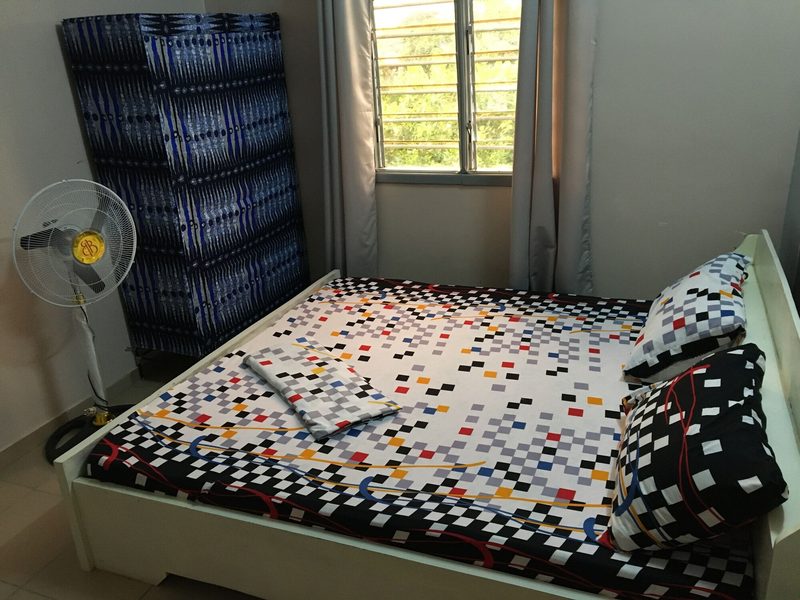
Residence MaryHouse - Free Breakfast and Taxi from Airport
From $22 / night
Check Prices on Trip.com →

September weather, activities, events & insider tips
Long-run averages for September
Weigh the advantages and considerations before booking
Top things to do during your visit
Ganvie sits 20 km (12.4 miles) north of Cotonou on Lake Nokoué, and the only way in is by pirogue, a narrow wooden boat that your paddler navigates between houses on stilts while children call down from doorways and women in dugouts sell tomatoes, dried fish, and fabric from floating markets. The village has existed since the 17th century, built on water partly to evade slave raiders who were prohibited by religious custom from entering the lake. In September the water level is higher than in dry season, which means you float closer to the floor level of the stilt houses and the whole place feels more intimate and less like an observation deck. Go in the morning, before 9am if possible, when the light is flat and silver and the lake smells of mud and wet wood rather than midday heat.
Ouidah is 42 km (26 miles) west of Cotonou and carries a weight that you feel before you consciously register it. The Route des Esclaves is a 4 km (2.5 mile) road that ends at the beach and the Door of No Return, a monument marking where captive people were loaded onto ships. Walking it in the heat of a September morning, through the tree-canopied stretch past the slave auction tree and the Forest of Forgetfulness, is an experience that does not benefit from narration. The Python Temple in the center of town houses actual pythons, considered sacred in Vodun tradition, that drape themselves across worshippers' shoulders. The Ouidah Museum of History in the old Portuguese fort gives the full context. Factor in a full day, this is not a two-hour stop.
Dantokpa is one of West Africa's largest open-air markets, straddling the Cotonou lagoon, and it operates with the organized chaos of a system that has been running for generations. The smells hit you first, smoked fish, fermented locust beans (dawadawa), the iron scent of butcher stalls, peanut oil in deep clay pots over wood fires. The fabric section, where Togolese wax-print vendors compete with imported Chinese cotton, is three labyrinthine corridors deep. Go before 10am, when the vegetable sellers are still arranging their stalls and the market is moving but not yet impenetrable. After noon in September heat it becomes physically exhausting. Navigate with a zemidjan driver who knows the layout or you will spend 45 minutes finding an exit.
Fondation Zinsou on rue du Gouverneur Bayol opened in 2005 and remains the most serious contemporary African art space in Benin, a whitewashed colonial-era building whose interior temperature, mercifully air-conditioned, gives your body a chance to recover while your eyes work. The foundation has shown Romuald Hazoumè, Meschac Gaba, and dozens of artists you will not encounter in European galleries. After the foundation, the streets of the Cadjèhoun and Haie Vive neighborhoods reward slow walking, murals commissioned by the foundation and by independent artists appear on compound walls, electrical substations, and the sides of low-rise commercial buildings. This is street art made for the neighborhood, not for Instagram accounts, which is the difference between a document and a declaration.
The Royal Palaces of Abomey, 135 km (84 miles) north of Cotonou, are a UNESCO World Heritage Site and the architectural record of twelve kings of the Dahomey Kingdom, each of whom built his palace adjacent to, never replacing, his predecessor's. What survives is a 44-hectare (109-acre) complex of earthen walls, bas-relief friezes depicting military campaigns and the symbols of each king's reign, and a museum whose collection includes a throne mounted on the skulls of defeated enemies. It is the kind of place that recalibrates your sense of what African history looked like before European contact. The drive north through the Beninese plateau, past palm groves and red laterite villages, takes roughly two and a half hours each way on the paved Route Nationale 1.
Despite the rougher September surf, Obama Beach, the long Atlantic stretch running west from the port area, comes into its own after 6pm when the grill vendors set up and the smoke from charcoal fires carrying brochettes of beef, chicken, and fresh Atlantic fish drifts across the sand. The light at that hour is extraordinary: the Atlantic goes dark pewter under a pink and orange sky, fishing pirogues with outboard motors come in through the surf, and the beach fills with families, couples, and groups of young men playing football between the vendor stalls. The food here, grillades with fresh piment sauce, grilled tilapia with sliced onion and tomato, is some of the most honest eating in the city, done standing up or on plastic chairs with your feet in the sand. Do not expect cocktails and a wine list. Expect fish that was in the ocean this morning and a cold Flag beer from a cooler.
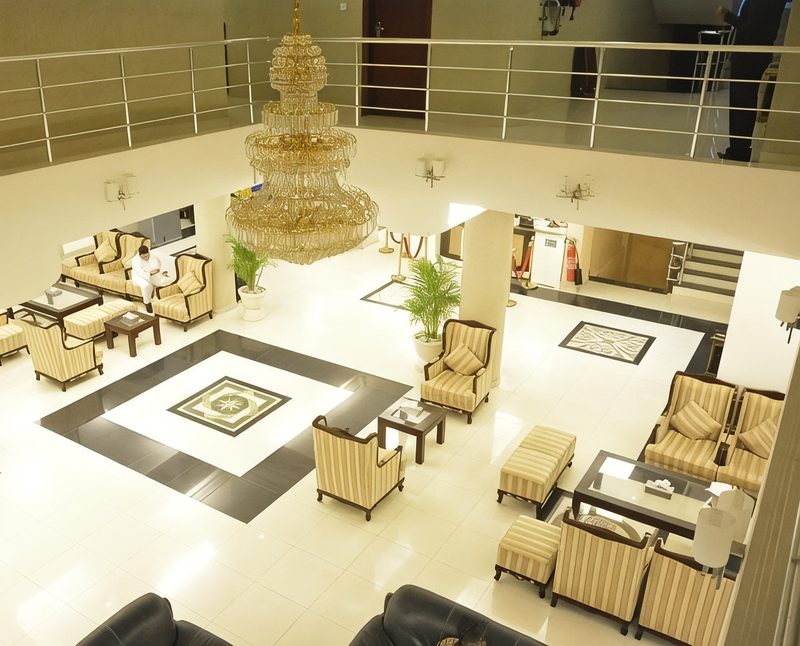
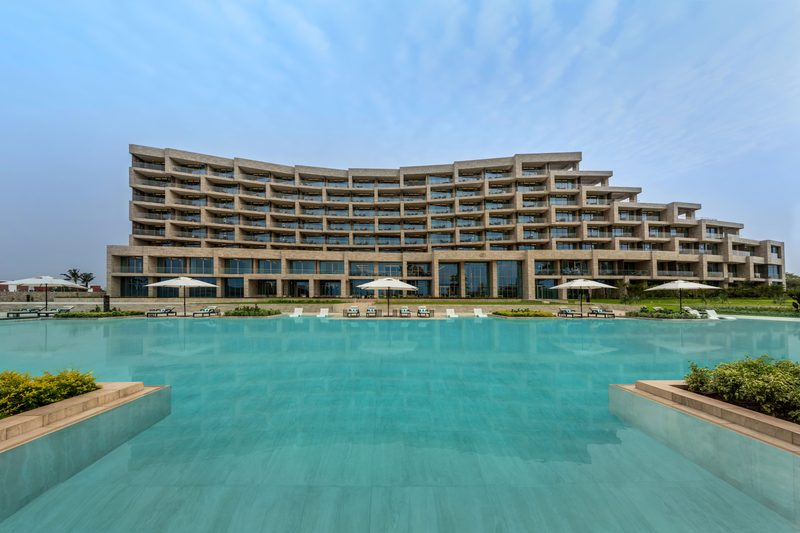
Hand-picked hotels across price tiers for September travellers.
Bookmark this page — your progress is saved between visits
Climate-specific gear, brand recommendations, and what to leave at home.
View Cotonou Packing List →Insider knowledge and common pitfalls to avoid
Now that you've got the research covered, here's where to go next.
Top-rated things to do in Cotonou this September
Browse Viator's full catalog of tours, day trips, food experiences, and private guides in Cotonou.
See All Cotonou Tours on Viator


