Cotonou - Things to Do in Cotonou in May

Things to Do in Cotonou in May

May weather, activities, events & insider tips

Fair time to visit Low Season · Budget Friendly

May Weather in Cotonou

Long-run averages for May

88°F (31°C) High Temp
77°F (25°C) Low Temp
8.4 inches (213 mm) Rainfall
77% Humidity
11 Sunny-Day UV
⚠ Afternoon thunderstorms in May can drop heavy rain within minutes, flooding unpaved roads and low-lying neighborhoods near the lagoon. Avoid driving or riding zemidjans through standing water, which can hide open drainage channels and debris. ⚠ Malaria transmission peaks during the wet season in coastal Benin. Antimalarial prophylaxis, DEET-based repellent, and sleeping under treated mosquito nets are essential, not optional. ⚠ Atlantic Ocean swimming conditions along the Cotonou coast deteriorate in May due to increased swells and strong lateral currents. The undertow is dangerous even for experienced swimmers. There are no lifeguard services.

Making the most of May in Cotonou? Browse tours and activities in Cotonou on GetYourGuide.

Is May Right for You?

Weigh the advantages and considerations before booking

Advantages
  • + Mango season peaks in May across southern Benin. Roadside fruit sellers lining the Boulevard de la Marina stack their tables with Amelie and Kent varieties so ripe the juice runs down your wrist at the first bite. The sweetness is concentrated, almost floral. Nothing like the fibrous supermarket imports most travelers know. Street-side women slice them into bags with a practiced flick of the knife. The scent of cut mango mingles with charcoal smoke and sea salt along every major intersection in Cotonou.
  • + Tourist numbers drop sharply once the rains begin. The pirogues heading out to Ganvie on Lake Nokoue carry mostly Beninois families rather than camera-laden tour groups. You might share a boat with a fish trader hauling her catch to Dantokpa Market. Boatmen tend to slow down and narrate more when they are not rushing through a packed schedule. Accommodation rates across Cotonou are currently at their most negotiable in May. You will likely have use to upgrade rooms at places that would wave you off during the dry season.
  • + The landscape around Cotonou transforms in May. The lagoon edges that looked dusty and bleached in February fill out with hyacinth and reed grass. The coconut palms along the Fidjrosse coast darken to a proper equatorial green. Lake Nokoue itself rises enough that the stilt village channels open up routes the dry-season boats cannot reach. For photographers, the post-rain light is likely the best natural light Cotonou offers all year. That sharp golden clarity after an afternoon downpour. Worth chasing.
  • + May sits before the heaviest rains of June. You get the lush greenery and cooler evenings without the sustained multi-day downpours that make June difficult for travel. The storms tend to build around mid-afternoon. Towering cumulus stacks up off the Atlantic. While they hit hard, they typically blow through within an hour. The air turns noticeably cooler. The red laterite roads steam.
Considerations
  • − The rain is real. At 213 mm (8.4 inches) for the month, May delivers roughly ten times the rainfall of January in Cotonou. Most storms are afternoon bursts rather than all-day affairs. They can turn unpaved roads in neighborhoods like Akpakpa and Ste Rita into ankle-deep red mud within minutes. Zemidjan motorcycle taxi riders slow to a crawl in downpours. The drainage canals along the lagoon side of the city overflow unpredictably. Plan your outdoor time for mornings.
  • − Mosquitoes peak with the rains. Cotonou sits between the Atlantic and Lake Nokoue, with lagoons threaded through the city. Once the standing water accumulates in May, the mosquito population multiplies noticeably. Malaria prophylaxis is not optional here. Consult a travel health clinic at least four weeks before arrival. Evenings on restaurant terraces that felt breezy and pleasant in January now require serious repellent, long sleeves, or both.
  • − The Atlantic swells intensify along the Cotonou coast in May. The undertow at beaches like Fidjrosse and the stretch locals still call Obama Beach becomes dangerous. The surf does not look dramatic from shore. The waves break wide rather than tall. But the lateral current pulls hard. There are no lifeguards. Swimming is a calculated risk this month. Most locals who know the water stick to wading depth or head to the calmer lagoon side.

Settled on May? Compare hotel prices in Cotonou for your dates on Trip.com.

Best Activities in May

Top things to do during your visit

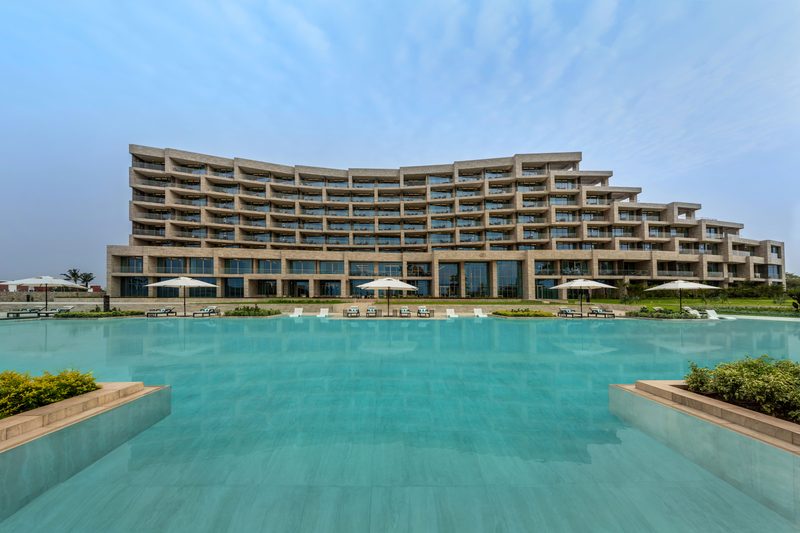
May marks the pivot into Cotonou's principal wet season, and the city wears it openly. Afternoon skies over the Bight of Benin thicken to a slate grey before unloading warm, heavy downpours. They slick the laterite shoulders of Boulevard de la Marina and send roadside vendors sheltering under corrugated tin awnings. The air sits heavy and warm, with daytime temperatures holding near 31°C and nights rarely dipping below 25°C. Rainfall more than doubles compared to April, averaging around 213 millimetres across the month, though the mornings often begin bright and hot before the clouds mass. The rain falls in concentrated bursts rather than all-day drizzle, which means a traveler who plans around the afternoon storms can still spend long stretches outdoors. Waterproof footwear and a light rain jacket earn their luggage space every single day. Cotonou in this season feels less performative and more residential. The sand at Fidjrossè beach darkens under passing showers, and the surf runs muddier than in the dry months. But the coconut-palm-lined shore still draws runners and football games at dawn. The rain greens the city almost overnight: bougainvillea erupts along compound walls, and the lagoonal vegetation between Cotonou and Ganvié thickens to an almost electric emerald. Night markets along the Dantokpa corridor steam with charcoal smoke and the sharp, fermented tang of tchoukoutou, the millet beer poured from calabashes at streetside stalls. Zémidjans, the omnipresent motorcycle taxis, splash through puddles on the Ancien Pont, their horns punctuating the drone of evening rain on zinc roofs. Hotels across the city, from the waterfront towers near the congress center to the smaller guesthouses in Akpakpa, tend to have more availability in May, which sits outside the peak conference calendar and well before the December holiday crush. Travelers concerned about safety will find Cotonou's central neighborhoods, Haie Vive, Cadjèhoun, and the Ganhi commercial district, well-lit and busy into the evening, with a visible police presence at major intersections. The food scene rewards exploration year-round, but the wet season brings a particular abundance of fresh maize, which vendors roast over charcoal at nearly every corner, the kernels popping with a sweet, smoky crunch that is the taste of Cotonou in the rains.

Private Full-Day Cultural Tour in Cotonou Ganvie and Ouidah

Private Full-Day Cultural Tour in Cotonou Ganvie and Ouidah

day_trip
★ 4.4 12 reviews from $289

The Private Full-Day Cultural Tour in Cotonou, Ganvié, and Ouidah compresses two of West Africa's most resonant destinations into a single guided day. The morning typically begins with a motorized pirogue crossing Nokoué Lagoon to Ganvié, where wooden houses stand on stilts above olive-green water and fishermen paddle between them hauling nets weighted with stones, the slap of wet rope against wood echoing across the lake surface. The afternoon shifts to Ouidah, forty kilometres west, where the Route des Esclaves ends at the Door of No Return monument on the beach, its stark white arch framing the grey Atlantic horizon. Between these two anchors, the guide threads through Cotonou's own neighborhoods, past the Fondation Zinsou's contemporary art collection and the large Dantokpa market, where the smell of dried shrimp and shea butter hangs in narrow aisles stacked with bolts of wax-print cloth.

Full day Moderate Depart by 7 a.m. to reach Ganvié when the lake surface is still glassy and the light is low enough for photographs without glare.
Ganvié's stilt village and Ouidah's slave-trade memorials are the two experiences that define southern Benin, and this tour links them in a single narrative arc with local context a guidebook cannot replicate.
Insider tip: Ask the guide to stop at the python temple in Ouidah early, before midday heat makes the snakes sluggish and less visible in their enclosure. The cool of mid-morning is when keepers drape them freely for visitors to handle.
This month: May's higher water levels on Nokoué Lagoon mean pirogue access to Ganvié's interior channels is easier than in the dry months, when shallower water can restrict routes.
Electric Bike Tour EN Cotonou

Electric Bike Tour EN Cotonou

guided_experience
★ 4.9 7 reviews from $77

The Electric Bike Tour of Cotonou swaps the sealed window of a car for handlebars and open air, threading through neighborhoods that most visitors never see. The route typically passes through Fidjrossè and along the coastal road, where salt air mixes with the woodsmoke drifting from fish-smoking sheds, then cuts inland through residential quarters where compound walls are painted in bright blues and ochres and children wave from doorways. The electric assist flattens Cotonou's gentle grades and lets riders cover ground without arriving drenched in sweat, which matters considerably at 31°C. The pace is slow enough to stop at a roadside stall for a glass of fresh ginger juice, its burn lingering on the tongue, and to hear the guide explain the vodun shrines marked by small concrete pillars at crossroads.

2 to 3 hours Budget Early morning, starting around 6:30 or 7:00, before traffic thickens on the main boulevards and the midday heat peaks.
Covering Cotonou by bike at a local's pace reveals the texture of a city that car-bound tours reduce to landmarks and traffic.
Insider tip: Wear light clothing that covers your knees and shoulders, not for modesty codes but because the combination of sun, wind, and occasional drizzle in May can leave exposed skin feeling raw after two hours of riding.
Private tour of Benin 3 days (Cotonou, Lake Ganvie, Ouidah)

Private tour of Benin 3 days (Cotonou, Lake Ganvie, Ouidah)

private_tour
★ 4.5 4 reviews from $1500

The Private Tour of Benin over three days, covering Cotonou, Lake Ganvié, and Ouidah, is the unhurried version of southern Benin's essential circuit. A full day on Nokoué Lagoon allows time not just for the floating village of Ganvié itself but for the quieter fishing camps on the lake's northern shore, where women smoke fish over slow-burning mangrove charcoal and the air is thick with a sweet, acrid haze. The Ouidah day dedicates hours to the Sacred Forest of Kpassè, where enormous iroko trees are wrapped in white cloth and the ground underfoot is soft and silent with decomposing leaves, and to the historical museum housed in the old Portuguese fort, its dim interior cool against the humid air outside. Nights are spent in Cotonou, which means evenings free to explore the Jonquet neighborhood's open-air bars, where grilled crab claws arrive on metal platters with a piment sauce that stings the lips.

3 days Expensive Begin mid-week to avoid weekend traffic on the Ouidah road and to catch Dantokpa market on a weekday, when it is less crushingly crowded.
Three days allow the deeper rhythm of Benin's vodun culture, lagoon ecology, and slave-trade history to register in a way that a single rushed day cannot.
Insider tip: Request that the guide arrange a visit to a local vodun ceremony or a consultation with a Fâ diviner. These are real cultural practices, not tourist performances, and the multi-day format gives enough flexibility to attend one if the timing aligns.
Cotonou Private Tour

Cotonou Private Tour

private_tour
★ 5.0 3 reviews from $250

The Cotonou Private Tour has a concentrated survey of the city itself, without the lagoon crossing or the westward drive to Ouidah. That narrower focus means more time in neighborhoods that define daily life in Cotonou: the Dantokpa market, the largest open-air market in West Africa, where the noise of haggling in Fon, Yoruba, and French rolls through corridors piled with yams, dried peppers, and fetish objects sold openly alongside household goods. The tour typically includes the cathedral, the Fondation Zinsou, and the fishing beach at Placodji, where painted pirogues are dragged up the sand at dawn and the catch is sorted amid a cloud of seabirds and the sharp mineral smell of fresh fish scales. A knowledgeable guide contextualizes the vodun iconography visible on walls and doorways throughout the older quarters, symbols that a solo walker would pass without understanding.

Half day Moderate Start by 8 a.m. to walk Dantokpa when the light slants through the tarp-covered aisles and the heat is still manageable.
Cotonou itself is the story, and this tour strips away the day-trip destinations to focus on the city's own layered, complicated identity.
Insider tip: Ask to visit the Centre de Promotion de l'Artisanat in Akpakpa, where artisans work in bronze and recycled metal. Buying directly from the maker avoids the markup at hotel gift shops and supports the workshop cooperatives.
10-Day Tour: At the Heart of the Vodou Festival in Benin & Togo

10-Day Tour: At the Heart of the Vodou Festival in Benin & Togo

guided_experience
★ 5.0 1 reviews from $3938

The itinerary moves beyond Cotonou into the Mono and Couffo departments, where village ceremonies involve drumming that vibrates in the chest cavity and dancers in raffia costumes who move with a precision that suggests something beyond choreography. Stops in Togo, typically including Lomé and the Koutammakou landscape of fortified mud towers in the north, add a comparative dimension. The vodun ceremonies encountered are not staged reenactments but active religious practice, and participants may be invited to sit among community members, feeling the packed-earth ground cool beneath them while incense and palm-oil smoke drift through the crowd.

10 days Expensive The itinerary is built around specific festival dates, so departure timing is fixed by the operator. Book well in advance, as group sizes are kept small.
This is the only tour format long enough to witness vodun practice in its actual community context rather than as a curated excerpt.
Insider tip: Pack a headlamp and a power bank. Several nights are spent in villages without reliable electricity, and having your own light source after dark is not a luxury but a necessity.
Half Day Cultural Tour of Ganvié The Venice of Africa

Half Day Cultural Tour of Ganvié The Venice of Africa

guided_experience
★ 5.0 1 reviews from $200

The Half Day Cultural Tour of Ganvié, sometimes called the Venice of Africa, puts the entirety of its focus on the stilt village and the lagoon ecology surrounding it. The pirogue ride from the Abomey-Calavi embarkation point crosses open water where hyacinth mats drift slowly and herons stand motionless in the shallows, the only sound the outboard motor and the hollow knock of the hull against waterlogged branches. In Ganvié itself, the guide navigates between houses built on ironwood pilings, past the floating market where women sell tomatoes and smoked fish from canoes, and to the community's vodun shrine, where offerings of gin and kola nuts are placed on a small platform above the waterline. The smell of the lagoon is particular: brackish, vegetal, tinged with wood smoke from the cooking fires that burn on raised clay platforms inside the houses.

Half day Moderate Early morning departures, around 7:30, catch the lake at its calmest and the light at its most photogenic, with mist still clinging to the water surface.
Ganvié is the largest lake village in Africa, a community of roughly thirty thousand people whose entire existence is built on water, and a half-day visit is enough to grasp the scale and strangeness of that fact.
Insider tip: Sit in the middle of the pirogue rather than the front. The bow catches spray on the open-water crossing, and in May, when afternoon squalls arrive without much warning, you will want every dry minute you can get.
This month: The lagoon is higher in May than in the dry season, which makes navigation smoother but also means some of the lower-lying market platforms may be partially submerged. The guide will adjust the route accordingly.

Where to Stay in Cotonou in May

Hand-picked hotels across price tiers for May travellers.

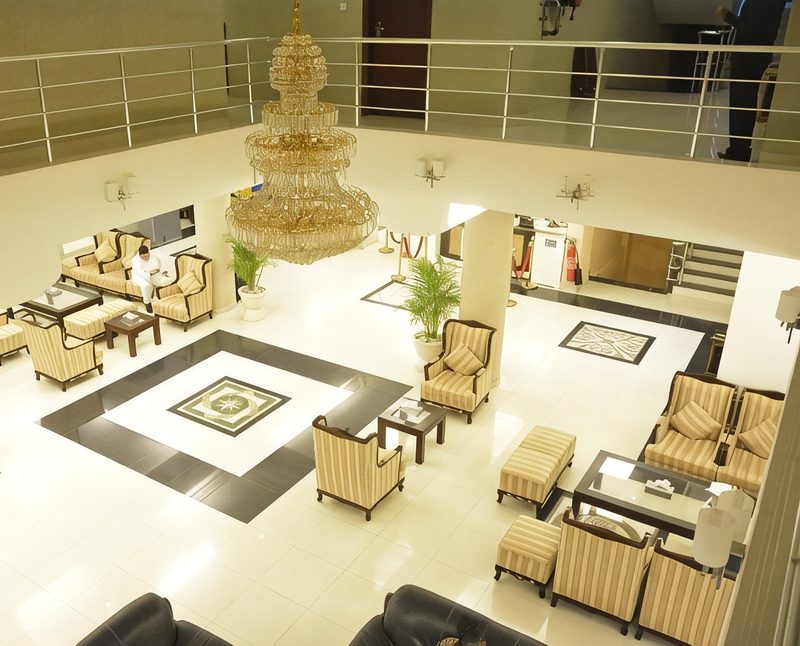
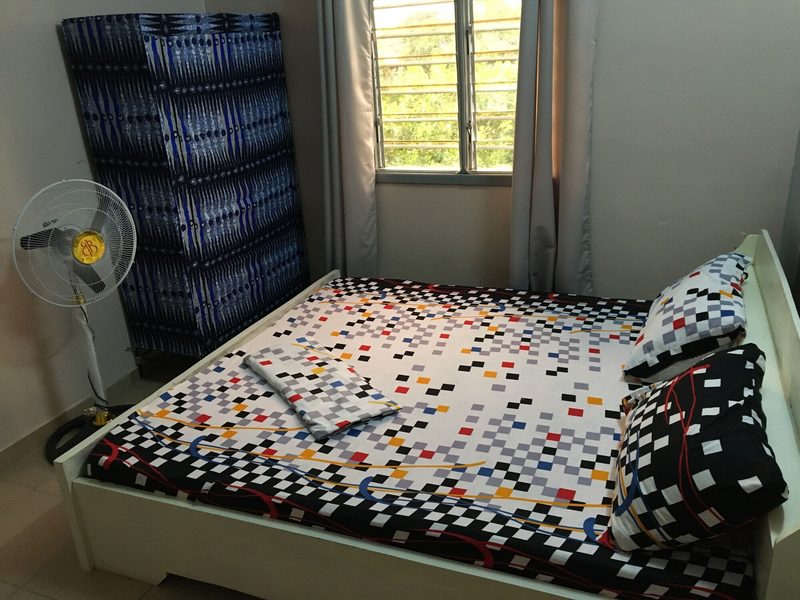
Residence MaryHouse - Free Breakfast and Taxi from Airport in Cotonou
★★★ Budget

Residence MaryHouse - Free Breakfast and Taxi from Airport

8.7 Very good · 74 reviews
From $22 / night
Check Prices on Trip.com →

Public Holidays in May

Dates that affect opening hours, transport and crowds

Labour Day

Observed nationwide as a public holiday.

Ascension Day

Observed nationwide as a public holiday.

Whit Monday

Observed nationwide as a public holiday.

Labour Day

Observed nationwide as a public holiday.

Ascension Day

Observed nationwide as a public holiday.

Packing Checklist

Bookmark this page — your progress is saved between visits

Need the full list with shopping links?

Climate-specific gear, brand recommendations, and what to leave at home.

View Cotonou Packing List →

Essential Tips

Insider knowledge and common pitfalls to avoid

Insider Knowledge
The zemidjan motorcycle taxi is Cotonou's actual transit system. There is no metro. There is no reliable bus network. No ride-hailing app works consistently. Every local negotiates the fare before climbing on. You should too. Point to your destination on a phone map if your French or Fon is limited. Agree on the price with fingers. Hold on. The drivers weave through traffic with spatial awareness that looks reckless but is, in practice, remarkably precise. Wear a helmet if one is offered. Most riders do not. Head injuries are the leading cause of road trauma in the city. Cotonou's best eating happens at the maquis. These are open-air roadside restaurants with plastic chairs, fluorescent lights, and women cooking over charcoal or gas burners behind a counter. The grilled fish at the maquis clustered along the Fidjrosse beach road is the city's signature meal. Whole tilapia or capitaine are scored and rubbed with ground pepper and ginger, then grilled over coconut-husk charcoal until the skin crisps and the flesh stays moist. The fish arrives with piment, a raw chili-tomato-onion relish that clears your sinuses, and pate, a dense fermented corn dough you tear off in pieces and dip. The fish is typically pulled from the lagoon or the Atlantic that same morning. If you speak even basic French, Cotonou opens up dramatically. This is a Francophone city where English is rare outside of international hotels and NGO offices. The market women at Dantokpa, the zemidjan riders, the maquis cooks: they will engage with you in French or Fon. A few phrases of either buys you warmth and patience that a language barrier otherwise blocks. Download an offline French dictionary before you arrive. Mobile data is cheap but spotty in rain. The lagoon side of Cotonou is more interesting than the ocean side for most visitors. The Atlantic beach is a long, flat, grey-brown stretch with dangerous currents and limited shade. It is impressive in its raw scale but not a swimming beach. The lagoon neighborhoods, by contrast, are where the city lives. Fishermen mend nets. Women smoke fish over smouldering heaps. Children paddle dugout canoes through hyacinth. The area around the Ancien Pont (old bridge) connecting Cotonou to Akpakpa at dusk, when the light goes amber and the pirogues are coming in, is one of the most photogenic scenes in West Africa. Almost no visitors bother to walk there.
Avoid These Mistakes
Avoid swimming in the Atlantic at Fidjrosse or along the Cotonou beach strip without understanding the undertow. The surf looks manageable. Wide, rolling, nothing dramatic. But the lateral current is strong enough in May to pull a confident swimmer sideways before they realize it. There are no lifeguards. No warning flags. The beach drops off steeply within a few metres of the shore in places. Locals who swim here grew up reading these currents. Visitors have drowned. Wade if you want. Do not go past waist depth unless you are with someone who knows this specific stretch of water. Arriving without antimalarial medication and assuming you will sort it out locally. Cotonou's pharmacies stock chloroquine and some other options. But availability is inconsistent. You want to start prophylaxis before you arrive, not after your first mosquito-heavy evening on the lagoon. May's rains bring the mosquito population to its annual peak. Malaria transmission in coastal Benin is year-round but intensifies significantly during wet months. This is the single most important health preparation for this trip. Planning a full day of outdoor sightseeing without checking the sky after noon. May's storms build fast. You might have clear blue sky at 1 PM and a full downpour by 2:30 PM. If you are in the middle of the Route des Esclaves walk in Ouidah or on Lake Nokoue in a pirogue, there is nowhere to shelter quickly. Front-load your outdoor activities into the morning window between 6:30 AM and noon. Keep afternoons for Dantokpa Market's covered sections, Fondation Zinsou's air-conditioned galleries, or simply a long lunch at a maquis under a tin roof while the rain hammers down outside.

Short on time? See day trips around Cotonou on GetYourGuide.

Explore More Activities in Cotonou

Didn't see anything interesting yet?

Browse Viator's full catalog of tours, day trips, food experiences, and private guides in Cotonou.

See All Cotonou Tours on Viator