★★★
Budget
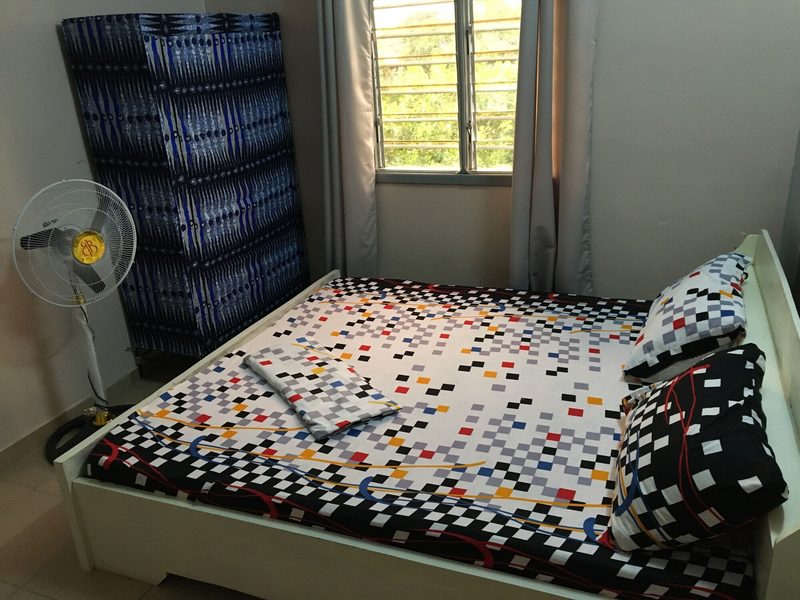
Residence MaryHouse - Free Breakfast and Taxi from Airport
From $22 / night
Check Prices on Trip.com →

October weather, activities, events & insider tips
Long-run averages for October
Making the most of October in Cotonou? Browse tours and activities in Cotonou on GetYourGuide.
Weigh the advantages and considerations before booking
Settled on October? Compare hotel prices in Cotonou for your dates on Trip.com.
Top things to do during your visit
October in Cotonou arrives on the tail of the second rainy season. Afternoon downpours roll in off the Atlantic, drop their load in concentrated bursts, and clear within an hour. The city's laterite-red roads turn slick and steaming. Then the sky breaks open into long golden evenings. Daytime temperatures sit near 86°F and cool to a gentle 76°F after dark. Warm enough to eat outside. No longer carrying the punishing dry-season heat that builds from December onward. Rainfall averages about 6.5 inches for the month, considerably less than June's 13-inch peak but enough to keep the city lush. Frangipani and bougainvillea riot over compound walls. Palm fronds drip steadily onto tin roofs. Lake Nokoué, the vast lagoon that defines Cotonou's northern edge, runs high and navigable, its surface the color of milky jade. By November the rains fall to a trickle. October is the last month the landscape looks this green, this alive. The city's daily pattern in October revolves around the rain. Mornings are dry, hot, and full of motion. Fishermen at Fidjrossè beach haul pirogues through the surf. Their catches of sole and threadfin lie on racks where woodsmoke curls upward in the salt air. Zémidjan motorcycle taxis weave through intersections in a continuous high-pitched buzz of two-stroke engines. At Dantokpa, one of the largest open-air markets in all of West Africa, vendors stack towers of Dutch wax-print cloth beside buckets of dried crayfish and pungent balls of fermented locust bean. The air grows thick with the competing smells of palm oil, dried fish, and charcoal smoke. Afternoons bring clouds and shelter. This is the hour for a cold La Béninoise lager in a tiled courtyard, for slow conversation. Then the rain stops. The streets exhale. Cotonou's evening appetite takes over. Along the beachfront and in the Haie Vive quarter, open-air grills send plumes of charcoal and chili-rubbed tilapia smoke into the dusk. The nightlife is not curated or bottle-service polished. It is communal and spontaneous, rooted in live Afrobeat sets and pavement-side bars where the talk runs late. Cotonou after dark follows common-sense port-city rules. Stick to well-lit areas. Use established taxi services or zémidjans you flag yourself. Keep valuables close in crowds. You will find the city welcoming and navigable. Accommodation options cluster along the beachfront corridor and in the commercial center near Dantokpa, with choices running from guesthouses to internationally managed properties. October sits outside peak travel season for Benin, so rooms are easier to come by and rates tend to soften. The city also is the natural staging point for two of the country's most significant excursions. North across the lagoon lies Ganvié, the extraordinary stilt village built entirely over water. West along the coast sits Ouidah, where the history of the transatlantic slave trade and the living practice of Vodou converge at sacred sites that have no equivalent anywhere else in the world. The rains keep the lake high and pirogues gliding easily between Ganvié's stilted houses. Ouidah's clay-packed paths, though soft underfoot, remain walkable with sturdy shoes. Whether you spend a single morning pedaling Cotonou's neighborhoods by electric bike or commit to a multi-day circuit that takes in both coast and interior, this is a city that rewards travelers who arrive ready to absorb texture, flavor, and history rather than check boxes on a list.

The Private Full-Day Cultural Tour in Cotonou Ganvie and Ouidah compresses two of Benin's most significant experiences into a single long day. You begin with a motorized pirogue ride across Lake Nokoué to Ganvié. Roughly thirty thousand people live, trade, and worship in houses raised on iroko-wood stilts above the water. The slap of waves against hulls and the smell of smoked fish drying on bamboo racks fill every moment on the lake. From there the tour drives west to Ouidah, tracing the Route des Esclaves, the four-kilometer path enslaved people walked to the sea. You visit the Temple of Pythons, where dozens of royal pythons coil and slide freely across the cool concrete floor of a small compound considered sacred in Vodou practice.

The Electric Bike Tour EN Cotonou puts you on a pedal-assist bicycle and threads you through neighborhoods that no taxi ride reveals. You roll past the crumbling pastel facades of the colonial-era quarter. You cut through residential lanes where women pound yam in wooden mortars with a rhythmic thud that carries over compound walls. You loop along the beachfront south of Fidjrossè where Atlantic breakers hit the sand with a low, constant roar. The electric assist flattens Cotonou's few inclines and lets you cover ground without arriving drenched at every stop. A genuine advantage in October's warmth.

The Private tour of Benin 3 days (Cotonou, Lake Ganvie, Ouidah) stretches the country's coastal corridor into a three-day immersion that no day trip can replicate. You sleep in Ganvié itself, waking to the sound of pirogues scraping against stilts and the smell of wood-fired breakfast smoke drifting across the water at first light. In Ouidah, the extended schedule allows time at the Sacred Forest of Kpassè, a dense grove of towering iroko trees where Vodou sculptures stand among the roots and the air is cool, damp, and heavy with leaf mold. The pace leaves room for unscripted encounters. An afternoon with a Vodou priest. A long meal of grilled crab and pâte at a lakeside shack.

The Cotonou Private Tour focuses entirely on the city itself. This decision pays off because Cotonou is routinely underestimated as a transit point rather than a destination in its own right. The route typically takes in Dantokpa Market, where the sheer scale of commerce generates a wall of competing scents, fermented shea butter, smoked herring, fresh-cut pineapple, and the fishing port at Jonquet, where hand-painted wooden pirogues are dragged up onto the sand by teams of men chanting in Fon. A knowledgeable private guide connects these scenes to the city's layered identity as a Fon, Yoruba, and French-influenced port town that is Benin's economic engine.

The route moves from Cotonou through Ouidah's temples and the sacred forests inland, north to Abomey where the royal palaces of the Dahomey kingdom still stand with their molded bas-reliefs depicting warfare and ritual, and across the Togolese border to Lomé and the Akodessawa fetish market, where the sharp, dry smell of animal skulls and powdered herbs fills the narrow lanes. This is not cultural tourism at a remove. Participants attend active ceremonies, meet priests and priestesses, and sit inside rituals that outsiders rarely witness.

The Half Day Cultural Tour of Ganvié The Venice of Africa is the most focused way to experience the stilt village without committing to a full day. You board a motorized pirogue at the lakeside embarkation point and cross the open water of Lake Nokoué. The hull cuts through patches of water hyacinth. Herons lift off the surface ahead of you. You arrive inside a community where every structure, from homes to churches to small bars, stands on wooden stilts above the water. The guide narrates Ganvié's founding as a refuge from Dahomey slave raiders, whose taboo against crossing water made the lake a sanctuary. Children paddle small canoes alongside yours. The sound of their laughter carries across the flat, still water.
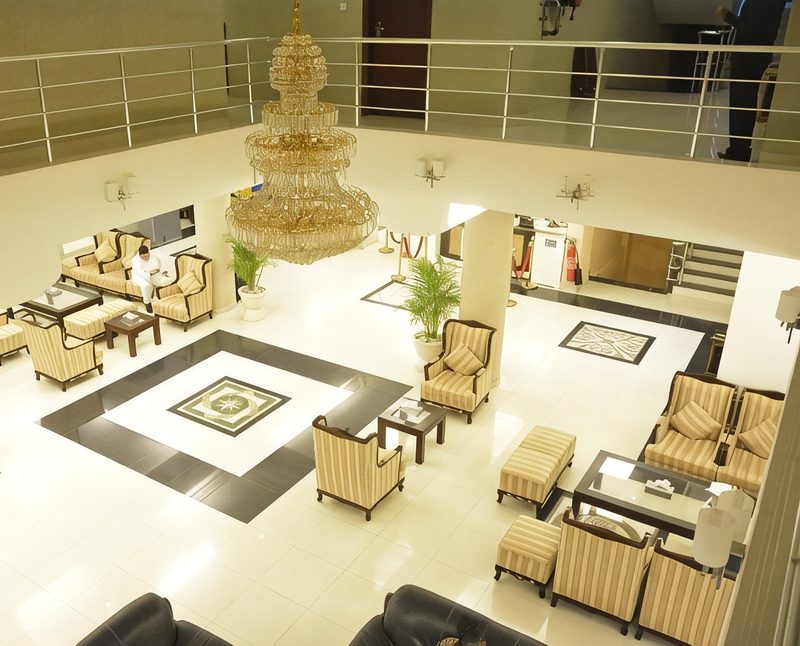
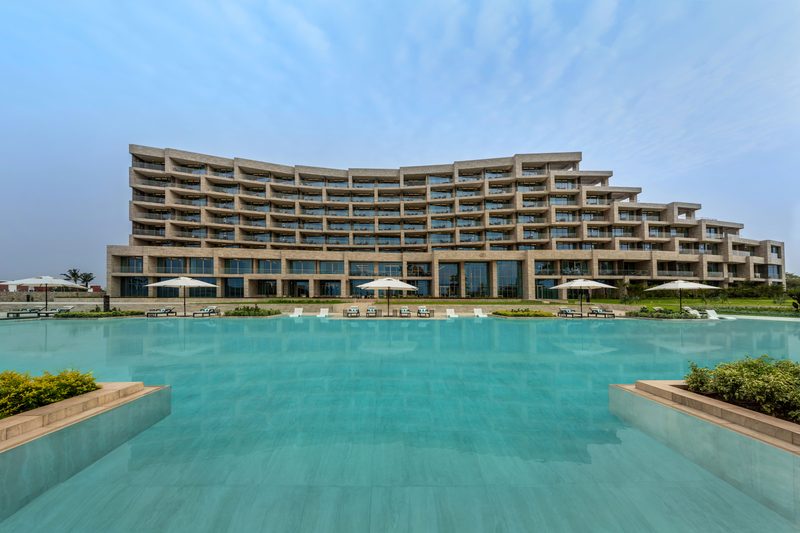
Hand-picked hotels across price tiers for October travellers.
Dates that affect opening hours, transport and crowds
Observed nationwide as a public holiday.
Observed nationwide as a public holiday.
Observed nationwide as a public holiday.
Bookmark this page — your progress is saved between visits
Climate-specific gear, brand recommendations, and what to leave at home.
View Cotonou Packing List →Insider knowledge and common pitfalls to avoid
Short on time? See day trips around Cotonou on GetYourGuide.
Now that you've got the research covered, here's where to go next.
Didn't see anything interesting yet?
Browse Viator's full catalog of tours, day trips, food experiences, and private guides in Cotonou.
See All Cotonou Tours on Viator