★★★
Budget
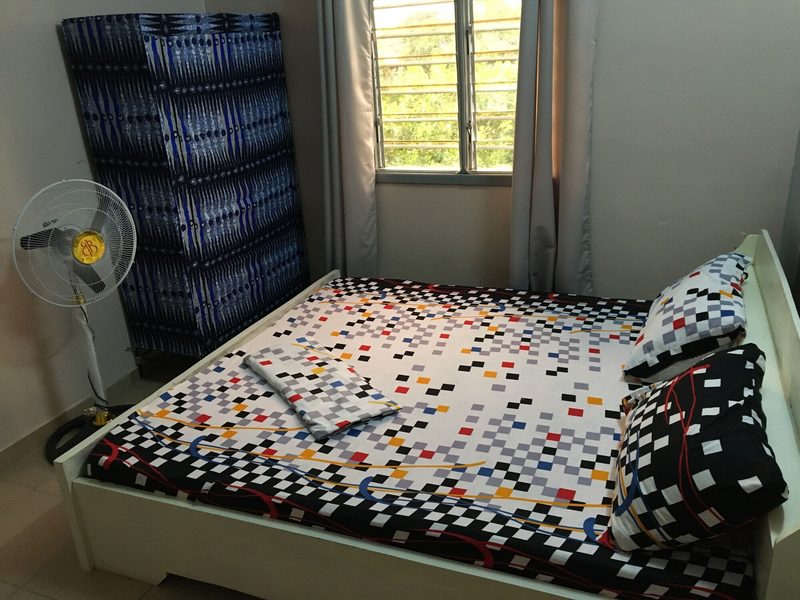
Residence MaryHouse - Free Breakfast and Taxi from Airport
From $22 / night
Check Prices on Trip.com →

June weather, activities, events & insider tips
Long-run averages for June
Making the most of June in Cotonou? Browse tours and activities in Cotonou on GetYourGuide.
Weigh the advantages and considerations before booking
Settled on June? Compare hotel prices in Cotonou for your dates on Trip.com.
Top things to do during your visit
Cotonou in June sits at the crux of the long rains, the wettest month on the calendar with over thirteen inches of rainfall and average highs near 29 degrees Celsius. The air hangs thick and warm. It carries the mineral smell of wet laterite and the tang of lagoon water rising with the season. Downpours tend to arrive in fierce, concentrated bursts, often in late afternoon. They turn the city's unpaved lanes into temporary streams before draining into the network of canals that thread through Cotonou's low-lying quarters. Between the rains, the sky clears to a milky white, and the light softens to something painters would envy. The usual equatorial glare mutes into a diffused glow that flatters the city's patchwork of concrete, corrugated metal, and hand-painted shop signs. This is not peak tourist season. That fact reshapes the experience of Cotonou in ways a traveler should welcome. The large Dantokpa Market, one of the largest open-air markets in West Africa, thins out enough that you can linger at a spice stall. You will feel the rough texture of dried ginger root between your fingers while the vendor explains the difference between local and imported varieties. The beaches along the Gulf of Guinea, the long sandy stretch near Fidjrossè, are quieter. The Atlantic is rough and not for casual swimming this time of year. The surf crashes with a low, rolling percussion audible from the road. Hotels across Cotonou offer better availability and more negotiable rates during the rains. Restaurants along the Boulevard de la Marina serve the season's best produce: fat tomatoes, glossy eggplants, and fresh okra that appears in every sauce. What defines Cotonou in June is the way the city adapts to water. Pirogues multiply on Lake Nokoué as water levels rise. The stilt village of Ganvié becomes more accessible by motorized boat. Nightlife along the Haie Vive quarter does not pause for rain. Live music venues and maquis bars, where the smoky char of grilled chicken and plantain drifts through open-sided dining rooms, fill up after dark regardless of the weather. The food scene rewards curiosity. Seek out tchoukoutou, the sour, slightly fizzy sorghum beer brewed in clay pots in the northern tradition but available at specialist stalls near the Pont de Cotonou. Safety in Cotonou follows the pattern of most large West African cities. Standard urban precautions apply, after dark and in crowded market areas. The city is broadly welcoming to visitors who move with awareness.

The Private Full-Day Cultural Tour in Cotonou, Ganvié, and Ouidah compresses three of southern Benin's essential experiences into a single long day. The morning begins with a motorized pirogue ride across Lake Nokoué to Ganvié. The sound of water lapping against wooden stilts and the sight of children paddling dugout canoes between houses on the glassy lake surface make the forty-minute crossing feel like entering a separate country. The tour then pushes west along the coastal road to Ouidah. The Route des Esclaves terminates at the Door of No Return on the beach, a memorial whose silence hits harder than any museum exhibit. The salt wind off the Atlantic mixes with the faint sweetness of frangipani planted along the path.

The Electric Bike Tour of Cotonou puts you on a silent, nimble machine that slips through traffic in a way no taxi or zémidjan motorbike-taxi can replicate. The route threads past the fishing quarter near the old port, where the sharp, briny scent of drying fish on wooden racks mingles with diesel exhaust. It continues along the lagoon shore where herons pick through shallows beside rusting barges. The electric bikes' quiet motors let you hear Cotonou as its residents do: the call-and-response of market women, the tinny speakers of mobile phone shops, the low hum of generators kicking on when the grid falters.

The Private Tour of Benin over three days, covering Cotonou, Lake Ganvié, and Ouidah, is the unhurried version of the southern Benin circuit for travelers who refuse to skim. Day one settles into Cotonou itself, from the humid, shouting corridors of Dantokpa Market, where bolts of wax-print fabric are stacked floor to ceiling in colors that seem to vibrate, to quieter neighborhoods where Vodou shrines sit behind unmarked compound walls. They are marked only by a string of palm fronds and the faint chalky smell of kaolin offerings. Days two and three dedicate proper time to Ganvié and Ouidah, sleeping overnight near the lake so you can experience Ganvié at dusk. Cooking fires on floating platforms send threads of woodsmoke across the water. The sound of evening prayers drifts between the stilts.

The Cotonou Private Tour is a concentrated half-day or full-day immersion into the city itself, skipping the out-of-town excursions to focus on what makes Cotonou singular rather than just a gateway. The itinerary typically moves through the Fondation Zinsou, one of West Africa's most important contemporary art spaces, where the cool, climate-controlled galleries offer a sensory counterpoint to the heat and noise outside. From there, the tour navigates the grid of the Akpakpa quarter and the waterfront, where the warm, yeasty smell of fresh bread from Lebanese-run bakeries mixes with the iron-and-salt tang of the nearby port.

The journey passes through Abomey, the old Dahomey capital, where the crumbling laterite walls of the royal palaces still carry bas-relief carvings of lions, swords, and pineapples. Each symbol encodes a king's reign. In Togo, the route reaches Togoville on the northern shore of Lake Togo, where the air smells of palm oil and ceremonial gin. The sound of drums from a fetish shrine can stop you mid-step. This is a serious cultural immersion, not a sightseeing loop.

The Half Day Cultural Tour of Ganvié, often called the Venice of Africa, distills the lake-village experience into a focused morning or afternoon excursion from Cotonou. The pirogue departs from the Abomey-Calavi shore of Lake Nokoué. Within minutes the city falls away behind you, replaced by the wide, flat expanse of the lake. Its surface in June is the color of milky tea from suspended sediment. Ganvié itself is a town of roughly thirty thousand people living entirely on water. The first thing that strikes you is the sound: the hollow knock of wooden hulls bumping together, children's laughter echoing off the water, the splash of a fisherman hauling in a net weighted with silvery tilapia. The floating market, where women in pirogues sell tomatoes, peppers, smoked fish, and cooking oil from their boats, is a scene of startling logistical grace.
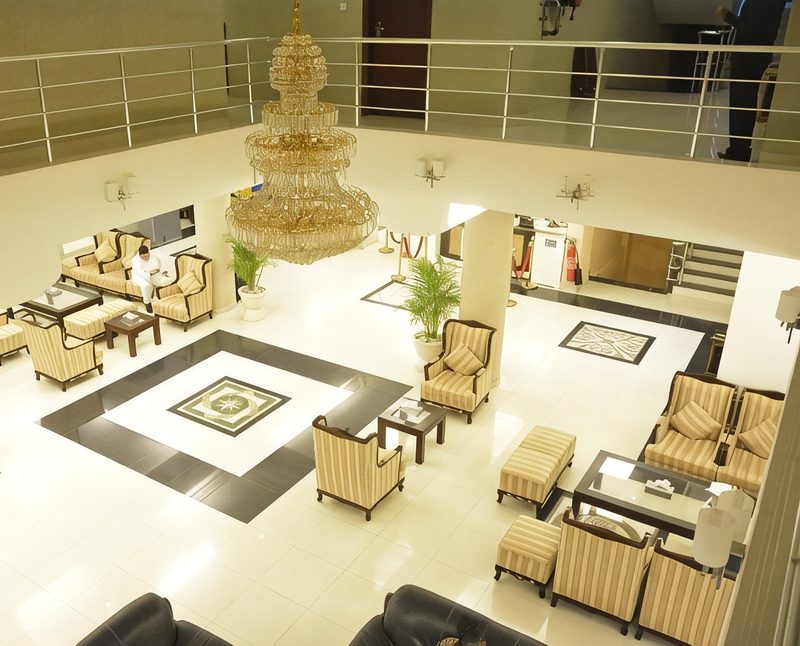
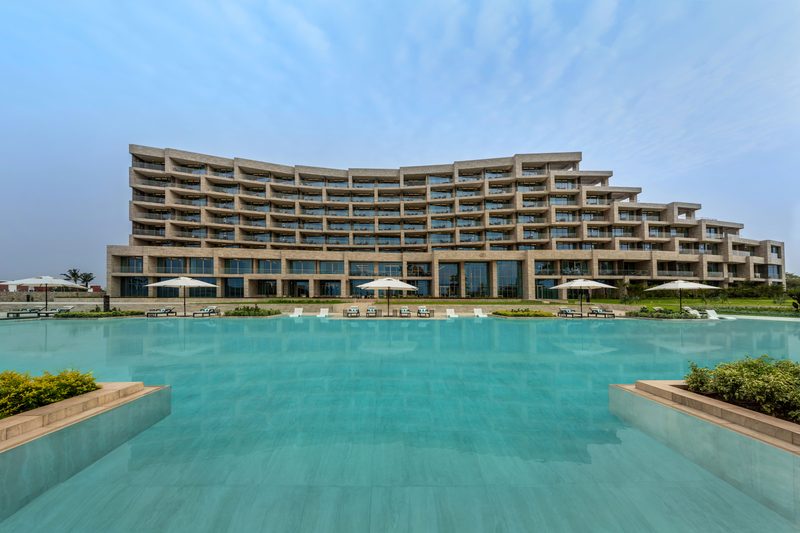
Hand-picked hotels across price tiers for June travellers.
Dates that affect opening hours, transport and crowds
Observed nationwide as a public holiday.
Bookmark this page — your progress is saved between visits
Climate-specific gear, brand recommendations, and what to leave at home.
View Cotonou Packing List →Insider knowledge and common pitfalls to avoid
Short on time? See day trips around Cotonou on GetYourGuide.
Now that you've got the research covered, here's where to go next.
Didn't see anything interesting yet?
Browse Viator's full catalog of tours, day trips, food experiences, and private guides in Cotonou.
See All Cotonou Tours on Viator