Cotonou - Things to Do in Cotonou in March

Things to Do in Cotonou in March

March weather, activities, events & insider tips

Good time to visit Shoulder Season · Good Value

March Weather in Cotonou

Long-run averages for March

90°F (32°C) High Temp
80°F (26°C) Low Temp
3.2 inches (81 mm) Rainfall
77% Humidity
11 Sunny-Day UV
⚠ Sudden, heavy afternoon storms can flood low-lying Cotonou streets and stall travel for hours.

Is March Right for You?

Weigh the advantages and considerations before booking

Advantages
  • + The humidity is still manageable compared to the coming months, so the heavy air feels more like a warm embrace than a wet blanket, in the mornings.
  • + The Harmattan winds from the Sahara have usually faded, meaning the air is clear and the famous orange-gold light of Cotonou is at its most photogenic, along the lagoon at sunset.
  • + It's the sweet spot before the heavy rains of April and May, so outdoor plans like the stilt village tours are far more reliable, and the beaches are still swimmable.
  • + March tends to be firmly in the shoulder season, so you're not fighting the peak December-January crowds at places like the Route des Esclaves in Ouidah or the Fidjrosse market.
Considerations
  • − The rainfall, while moderate, is unpredictable. You might get a week of perfect sun, or you might get a series of intense, short-lived downpours that can flood low-lying streets in Cotonou's southern districts, snarling traffic for hours.
  • − The heat is building. By midday, that 32°C (90°F) in 70% humidity can feel oppressive, if you're trying to navigate the large, open-air Dantokpa Market without a clear plan.
  • − Some cultural tours, those involving specific Voodoo ceremonies, are less frequent or harder to schedule as communities begin preparations for the coming rainy season's agricultural calendar.

Best Activities in March

Top things to do during your visit

March is arguably the ideal month for visiting Ganvie. The water levels in the lagoon are stable, making the 8 km (5 mile) boat journey from the Cotonou piers smooth and reliable. The infamous afternoon storms haven't yet reached their peak intensity, so your chances of getting caught in a choppy, wet crossing are lower. The light is spectacular, casting long shadows across the wooden houses and reflecting off the still water. You'll hear the slap of washing on wooden planks, smell the woodsmoke from cooking fires, and see fishermen casting nets from their pirogues - a scene that feels suspended in time.

Booking Tip: Look for licensed guides who include the pier transfer in their offering. Full-day tours that combine Ganvie with Ouidah are popular and offer good value. Booking a couple of days ahead through a reputable platform (see current options in the booking section below) is usually sufficient. But weekend slots can fill.
Ouidah Historical & Voodoo Culture Day Trips

The dry-ish weather makes exploring Ouidah's large, open-air historical sites far more pleasant. Walking the somber, sun-baked Route des Esclaves from the old Portuguese fort to the Gate of No Return is a profoundly moving experience that would be a muddy slog in the rains. The air carries the scent of frangipani from the Sacred Forest and the distant, rhythmic beat of drums from nearby compounds. March also falls outside the biggest Voodoo festival (January), so visits to temples or discussions with practitioners feel less performative and more personal.

Booking Tip: Seek out guides who are certified by the Ouidah Museum or local cultural associations - they provide context you simply won't get otherwise. A full day is needed to do it justice. Book these tours at least a week in advance, if you want a private guide.
Cotonou Street Food & Market Exploration Tours

The cooler morning and evening hours are good for navigating the sensory overload of Cotonou's food scene. You can taste the difference the season makes: the grilled fish (capitaine) is abundant, the piles of fresh mangoes and pineapples at the Marché de Finances are at their peak sweetness, and the peppery, tomato-based sauces feel right in the lingering evening warmth. The buzz of generators, the sizzle of meat over charcoal braziers, and the calls of vendors create a lively soundscape. An early evening tour lets you experience the transition as the city's nightlife - the maquis grills and street-side bars - starts to hum.

Booking Tip: Food tours are best booked locally or through operators who focus on hyper-local experiences, not just major landmarks. Ensure they include places like the rice-and-bean (riz au gras) stalls near the Gare de Cotonou. Checking for current tours in the booking widget is a good start.
Lagoon-Side Cycling or Electric Bike Tours

This is the last month where a long bike ride along the Boulevard de la Marina or through the quieter residential areas of Cotonou isn't a guaranteed sweat-drenched ordeal. The breeze off the lagoon provides natural cooling, and the views of the fishing pirogues against the hazy sky are memorable. You'll feel the texture of the city change under your wheels - from smooth asphalt to sandy paths, past modern banks and crumbling colonial facades alike. The electric bike options are a godsend for covering more ground in the rising heat.

Booking Tip: Morning starts (7-8 AM) are essential to beat the heat and the traffic. Look for tours that provide proper helmets and have a support vehicle, as Cotonou's traffic can be intense. Booking a few days ahead is usually fine.

Where to Stay in Cotonou in March

Hand-picked hotels across price tiers for March travellers.

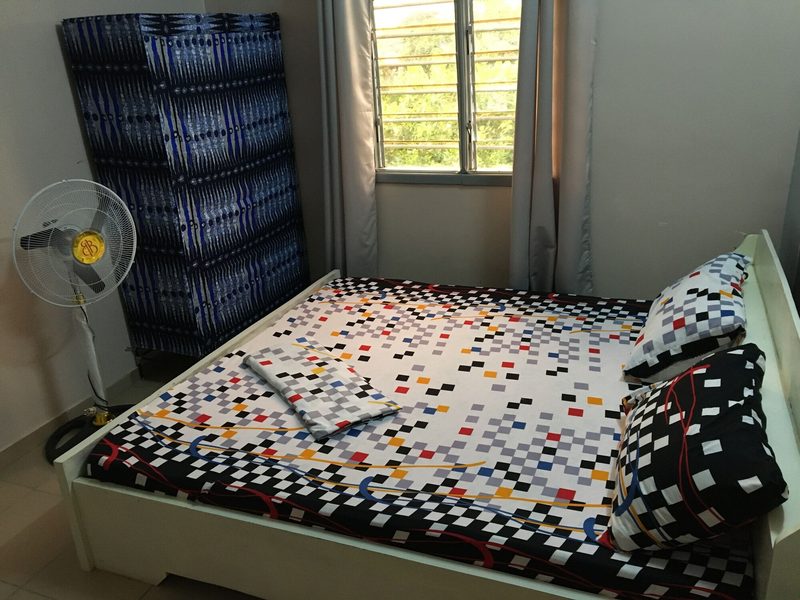
Residence MaryHouse - Free Breakfast and Taxi from Airport in Cotonou
★★★ Budget

Residence MaryHouse - Free Breakfast and Taxi from Airport

8.7 Very good · 74 reviews
From $22 / night
Check Prices on Trip.com →

Public Holidays in March

Dates that affect opening hours, transport and crowds

Easter Sunday

Observed nationwide as a public holiday.

Easter Monday

Observed nationwide as a public holiday.

Packing Checklist

Bookmark this page — your progress is saved between visits

Need the full list with shopping links?

Climate-specific gear, brand recommendations, and what to leave at home.

View Cotonou Packing List →

Essential Tips

Insider knowledge and common pitfalls to avoid

Insider Knowledge
Hit Dantokpa Market on a weekday morning right when it opens. By afternoon, the heat radiating off the tin roofs and the crowd density become overwhelming. Hire a local guide. The place is a labyrinth. Skip the developed strips. Head to Fidjrosse Plage early on a Saturday morning for a local beach experience. You'll find families playing football, fishermen mending nets, and vendors selling freshly-grilled corn and fish. Caught in a sudden afternoon storm? Duck into a maquis. Order a Flag beer or a bissap juice and wait it out. Locals do it daily, and you'll eat better than in any hotel restaurant. Cash is still king in Cotonou. Cards work in major hotels. But always carry West African CFA francs in small notes for taxis, snacks, and spontaneous buys.
Avoid These Mistakes
Never trust the map. A 5 km (3.1 miles) ride in Cotonou can swallow 45 minutes. Build in huge buffers for any scheduled tour pick-ups. Leave the resort wear at home. Cotonou is a working port city. Comfortable, casual, slightly rugged clothing blends in and feels right. One big activity per day. The heat and humidity punish over-planners. Schedule Ganvie, then relax with street food and people-watching. Negotiate before you swing a leg over. Zémidjas and car taxis rarely use meters. State the price to your destination upfront to avoid disputes.

Book Experiences in Cotonou

Top-rated things to do in Cotonou this March

Explore More Activities in Cotonou

Didn't see anything interesting yet?

Browse Viator's full catalog of tours, day trips, food experiences, and private guides in Cotonou.

See All Cotonou Tours on Viator