★★★
Budget
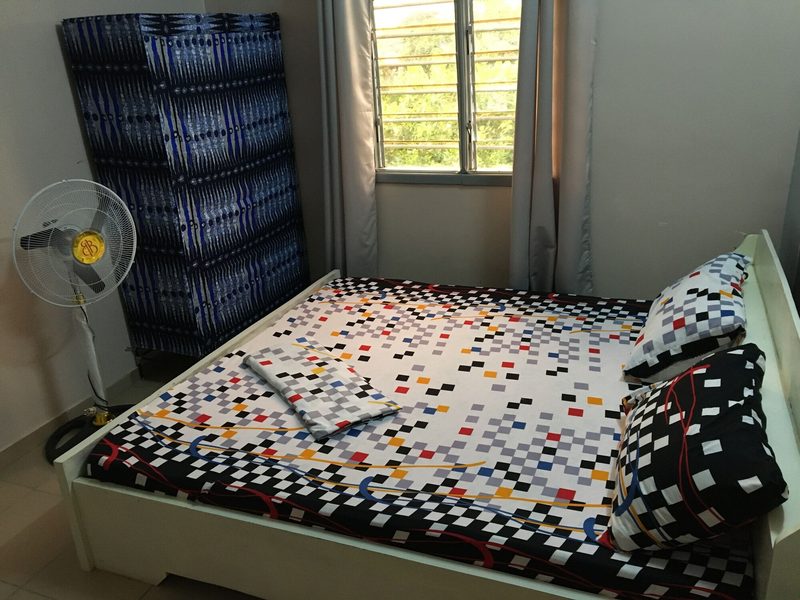
Residence MaryHouse - Free Breakfast and Taxi from Airport
From $22 / night
Check Prices on Trip.com →

July weather, activities, events & insider tips
Long-run averages for July
Weigh the advantages and considerations before booking
Top things to do during your visit
Ganvie shelters roughly 20,000 Tofinu people living on stilts in the middle of Lake Nokoue, about 18 km (11 miles) north of central Cotonou. July's lower water level lightens the pirogue paddles and you can spot the fish traps and floating gardens that later vanish beneath the rainy season. Morning light off the lake delivers the payoff, and crowds stay thin because European tour groups dodge the rainy months.
The 4 km (2.5 miles) Slave Route from the old auction tree in Ouidah to the Door of No Return on the beach ranks among West Africa's most consequential walks. July's cooler humidity lets you tackle the full route in late afternoon when shadows stretch across the Python Temple and the Sacred Forest of Kpasse. Ouidah lies 42 km (26 miles) west of Cotonou and the road stays in decent shape.
Dantokpa sprawls across roughly 20 hectares (49 acres) along the Cotonou lagoon as West Africa's largest open-air market. July's diaspora season pushes textile halls to peak inventory and the fetish section near the lagoon edge buzzes with practitioners restocking for second-half-of-year ceremonies. Bring a guide on your first visit. The layout defeats casual browsing.
The UNESCO-listed Royal Palaces of Abomey, 145 km (90 miles) north of Cotonou, preserve the surviving compound of the Dahomey kings who ruled from the 17th to late 19th centuries. Bas-reliefs in the Hounnon-Hounjroto courtyard depicting royal symbols form the visual core of the visit. July's softer light photographs the red-ochre walls far better than the harsh dry-season sun.
Grand Popo lies 80 km (50 miles) west of Cotonou on the lagoon-and-ocean strip near the Togo border. Unlike Cotonou's treacherous beach, the lagoon side at Grand Popo offers safer paddling, and the fishing village rhythm at dawn - pirogues dragged up the sand, nets mended along the shoreline - presents the postcard West Africa most travellers never witness. July's lower humidity makes the open-air auberges pleasant for sleeping.
Cotonou's food scene earns more attention than it receives. A guided walk through the food stalls around Place de l'Etoile Rouge introduces amiwo (spiced corn dough served with grilled fish), wagasi (fried Fulani cheese that squeaks against your teeth), and akassa (slightly fermented cornmeal locals eat with peanut sauce). July's diaspora-driven demand keeps the best mama-cooks firing on all cylinders.
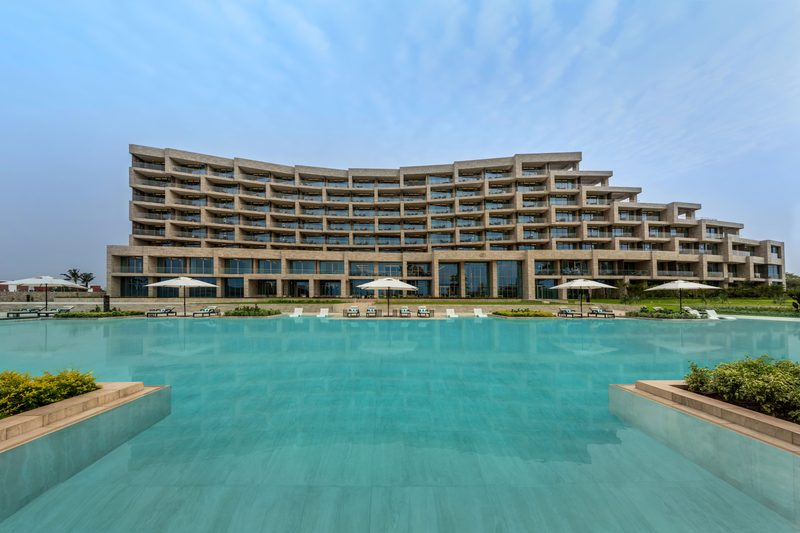
Hand-picked hotels across price tiers for July travellers.

Bookmark this page — your progress is saved between visits
Climate-specific gear, brand recommendations, and what to leave at home.
View Cotonou Packing List →Insider knowledge and common pitfalls to avoid
Now that you've got the research covered, here's where to go next.
Top-rated things to do in Cotonou this July
Browse Viator's full catalog of tours, day trips, food experiences, and private guides in Cotonou.
See All Cotonou Tours on Viator


